
Who is the American Diaspora of Africa

CEO • May 11, 2026

Gullah Geechee Creole

The Gullah Geechee are descendants of enslaved Africans from West and Central Africa's "Rice Coast" who developed a unique, highly preserved African-Creole culture and language on the isolated Sea Islands of South Carolina, Georgia, Florida, and North Carolina. Their culture, featuring distinct foodways, basket weaving, and spirituality, is the most preserved African cultural legacy in the U.S.


History of the Gullah Geechee

  • Origins: Enslaved people were brought in large numbers through Charleston and Savannah, primarily for their specialized knowledge of rice cultivation, indigo, and Sea Island cotton.
  • Isolation and Preservation: Due to the isolated nature of the Sea Islands and barrier islands, the community retained many African traditions, creating a distinct identity.
  • Name Origin: "Gullah" is believed to derive from the "Gola" ethnic group in West Africa, or the Gola River, while "Geechee" may originate from the Ogeechee River near Savannah.
  • The Culture: Key cultural elements include the "ring shout" (a religious dance), storytelling, and traditional rice dishes.
  • Modern Day: Many Gullah Geechee people have fought to maintain ownership of their lands to preserve their heritage despite development.

Connection to Creole Culture: Gullah Geechee culture is considered a "creole" culture because it blends African traditions with European (English, French, Portuguese) influences.

  • Language: The Gullah language is an English-based creole language containing significant West African vocabulary, syntax, and grammar. It is distinct as the only African-influenced creole language in the US.
  • Creole Synthesis: Similar to other Creole cultures (such as Louisiana Creole), Gullah developed in response to a need for communication among enslaved people from diverse African linguistic backgrounds.
  • Cultural Similarities: Like Louisiana Creole, Gullah culture blends European and African foodways, musical rhythms, and language, though the Gullah retain a more direct, preserved connection to West African traditions.

The Gullah Geechee people continue to thrive, particularly on islands like St. Helena (SC) and Sapelo (GA), keeping their language and customs alive.

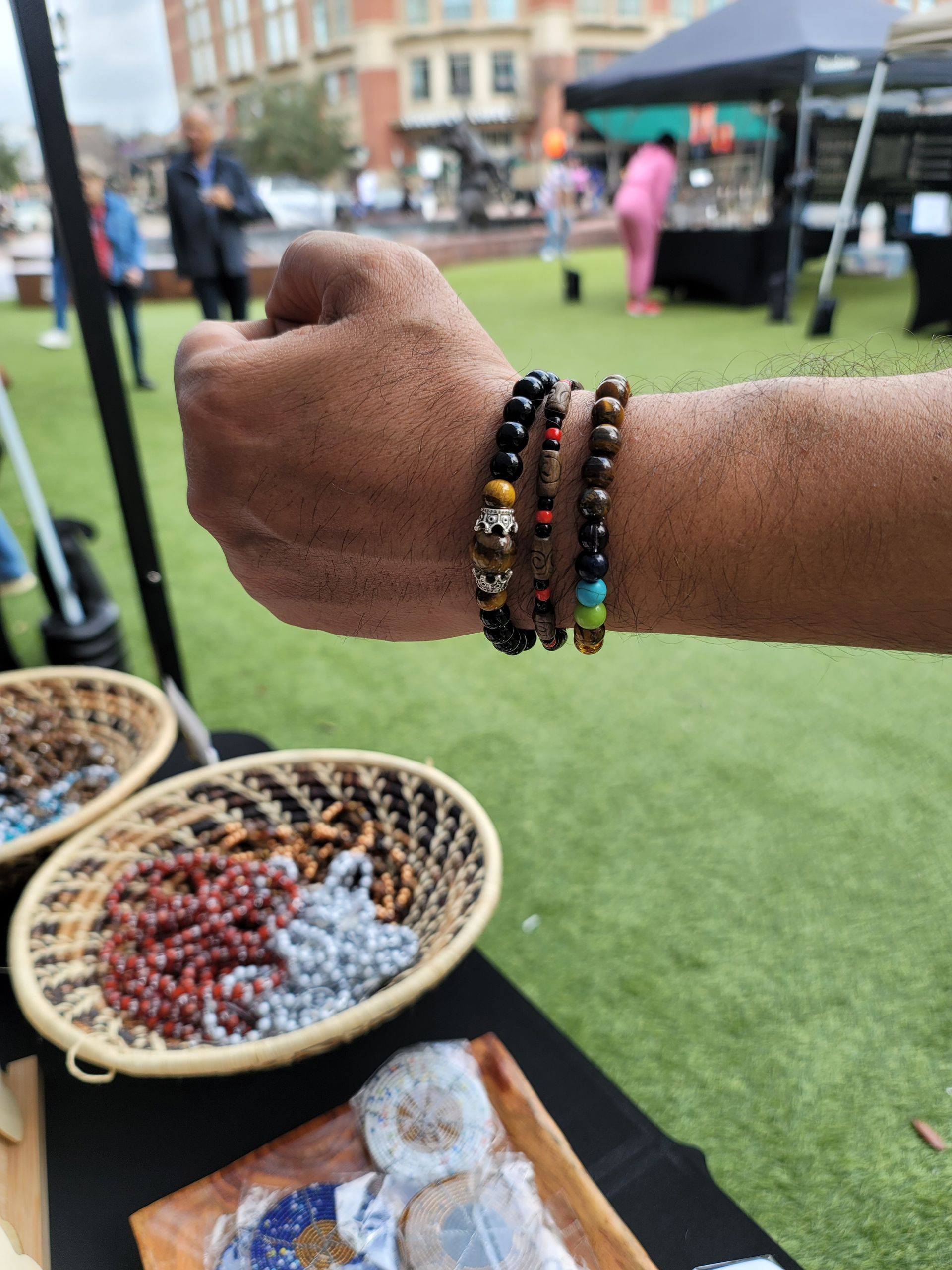
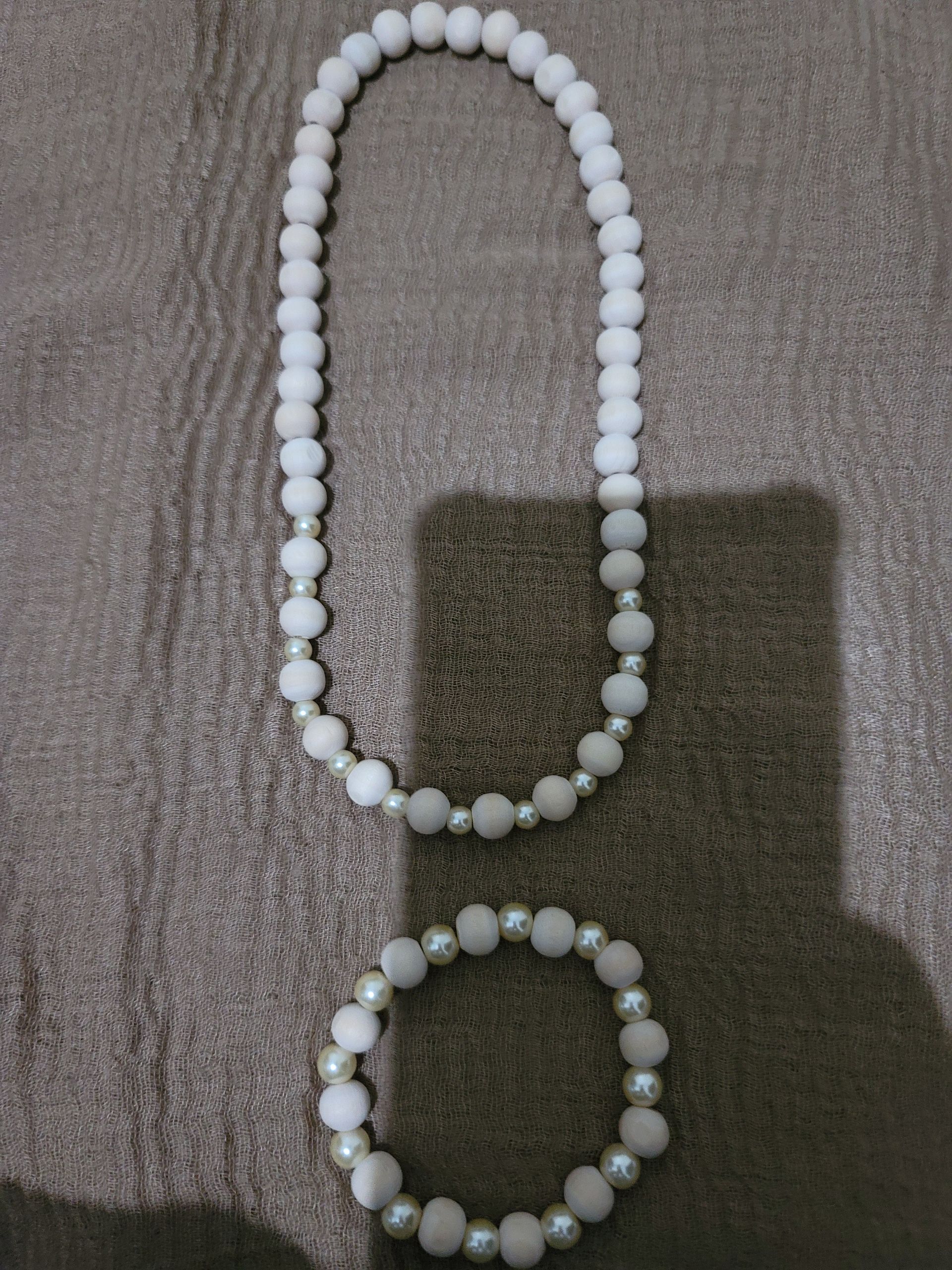
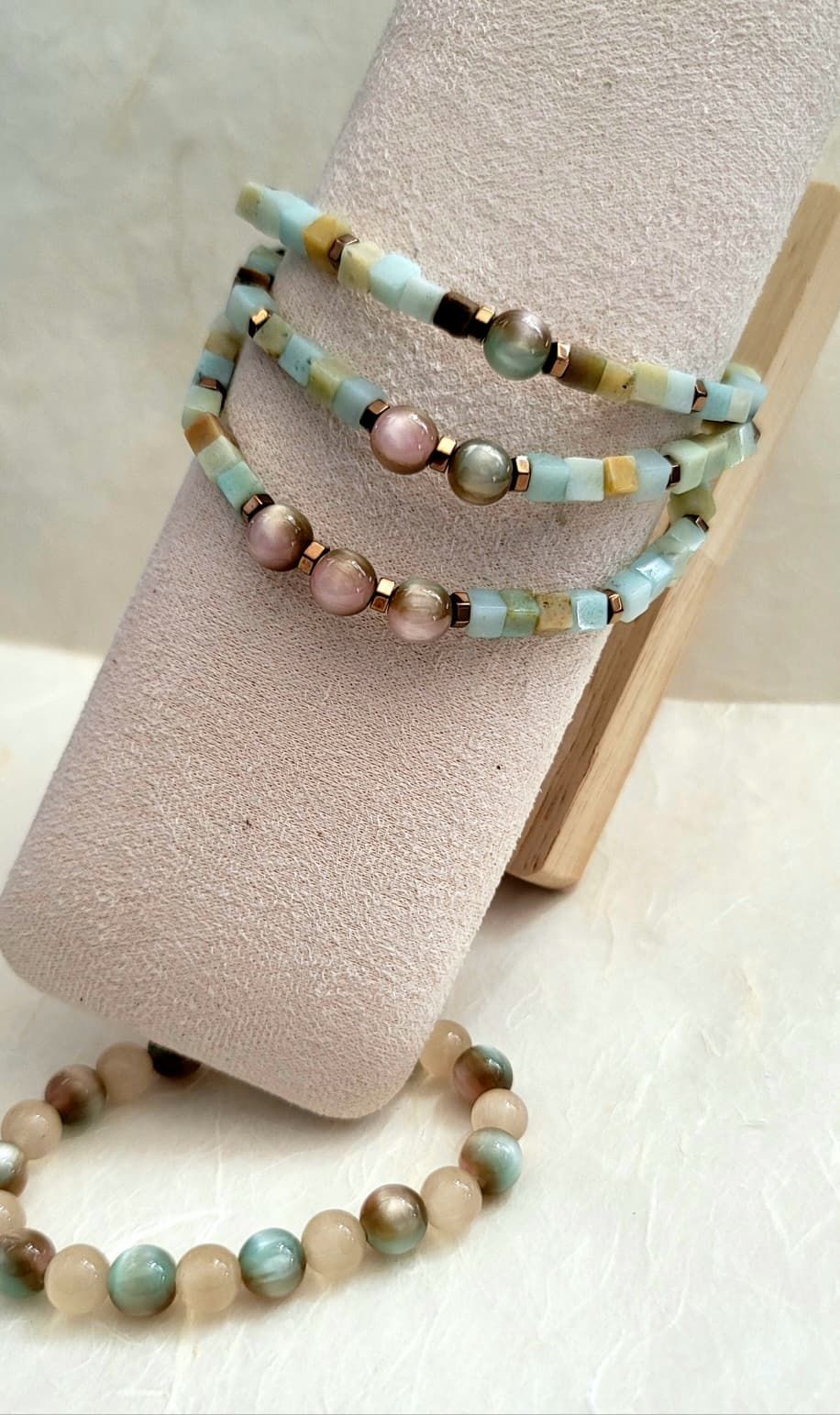
We have a rich history. We will showcase this history in our connections through jewelry and baskets. Be on the lookout for our indigo jewelry.
By CEO Tracy Moore March 1, 2026
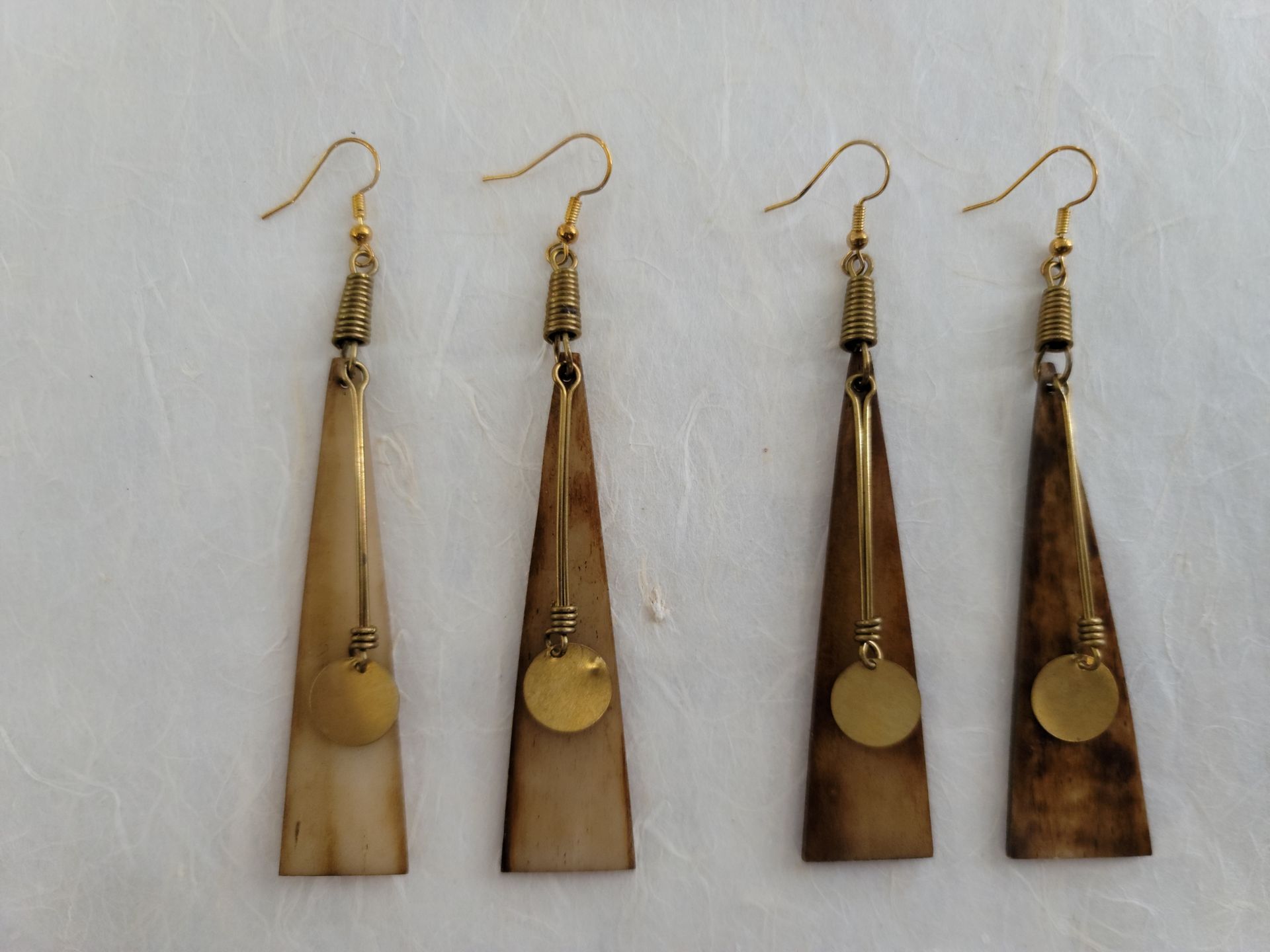
We Set the Trends: The Power and Legacy of the African Diaspora When I say we set the trends, I mean it. The influence of the African diaspora can be found everywhere — in music, fashion, language, art, wellness, and culture. Our creativity is not accidental. It is inherited. It is historical. It is survival. It is brilliance refined through generations.  Creativity Rooted in Survival Throughout history, people of African descent have had to innovate simply to survive. From creating tools and textiles to shaping global music and fashion movements, our communities have continuously transformed limitations into legacies. Creativity within the diaspora is not just talent — it is adaptation. It is resilience. It is the ability to create beauty, meaning, and influence even within restrictive systems. And that creativity shows up everywhere today. Are All Black People African? This question sparks conversation: Are all Black people around the world African? The answer is both yes and no — depending on how we define identity. Scientifically and historically, humanity traces its earliest origins to the African continent. Early populations were deeply melanated and began their global migration long before modern national borders or colonial names existed. The land now known as Africa once held other names — including Alkebulan, often cited in historical discussions. As populations spread across continents over thousands of years, cultures, identities, and nationalities evolved. Colonialism later reshaped borders and country names, complicating how people identify today. But ancestry and origin are not erased by time. Understanding timelines — not just labels — is key. Whether someone identifies by nationality, ethnicity, or diaspora, that choice is personal. Identity is layered. But studying history reminds us of our interconnected beginnings. The Diaspora’s Influence on Global Trends African Americans and the broader African diaspora shape global culture every single day. From streetwear to luxury fashion, from hip-hop to haute couture, from wellness rituals to jewelry trends — the influence is undeniable. Our creativity is not new. It has simply evolved. On this side of the ocean, especially in places like Texas, African-inspired jewelry trends continue to grow. Among the most sought-after pieces are: Waist beads – representing femininity, spirituality, and tradition Copper bracelets – associated with healing and energy flow Beaded statement necklaces – rooted in West African artistry Hematite and Agate pieces – blending grounding energy with bold style Tiger Eye jewelry – symbolizing confidence and protection These pieces are not trends without history — they are cultural continuations. When we speak of diaspora, we are speaking of connection — not separation. We are speaking of shared roots, layered identities, and creative inheritance. Whether one chooses to identify by modern nationality or ancestral lineage, the historical thread remains powerful. Research matters. Timelines matter. Context matters. And so does ownership of our narrative. The African diaspora does not simply participate in global culture — it shapes it. Ethical & Sustainable Choices , Vibrant Earth Tones , Leather & Gemstone Combos , Vibrant Earth Tones , earthy gemstones , mixed metals, Bold Mixed Metals , rare gemstone pieces, Statement Earrings, Bold Beadwork, Nature-Inspired Designs : Animal motifs (elephants, giraffes) and natural textures (suede, leather) remain popular.
By The CEO March 1, 2026
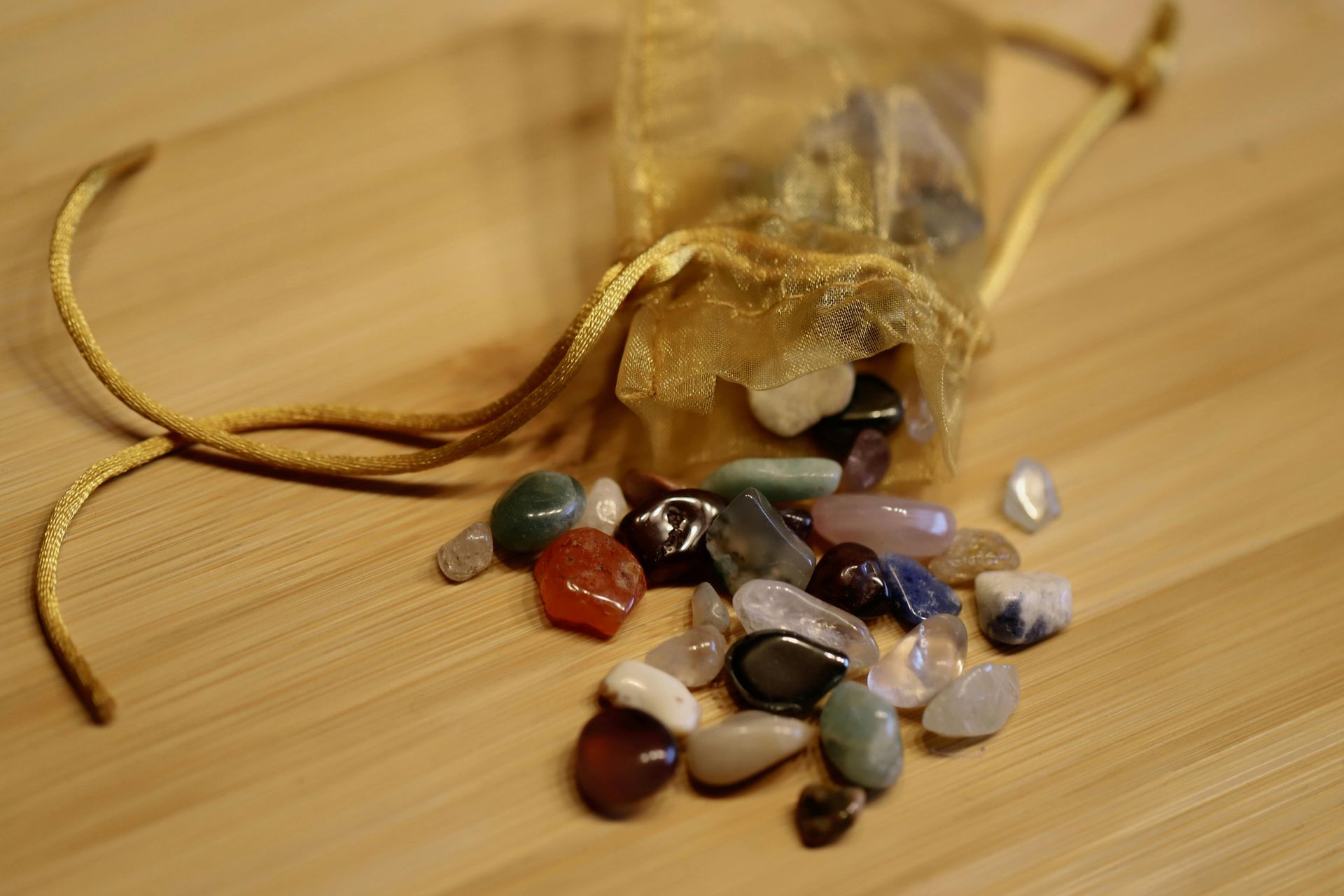
Discovering the Power of African Stones
By From the CEO March 1, 2026
From The Gambia to the Diaspora: How Tas Tas Jewelry Was Born